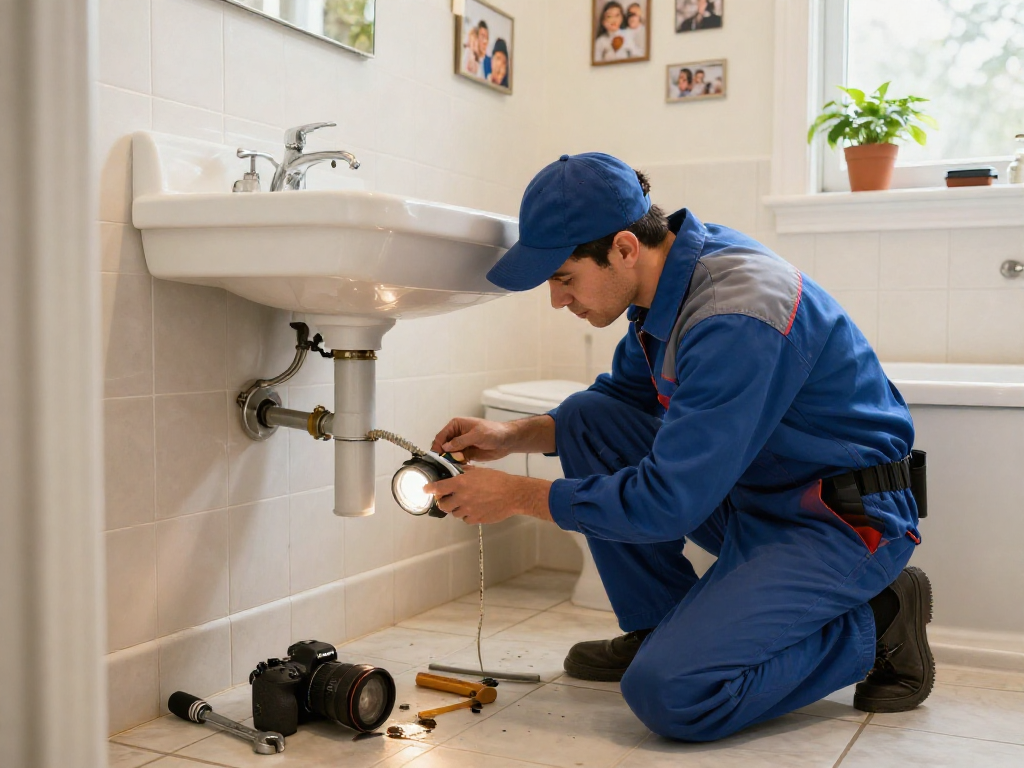
Understanding Common Plumbing Issues in Fort Worth
In the bustling homes of Fort Worth, residents are often faced with a variety of plumbing challenges that require swift and effective solutions. These plumbing issues can range from minor inconveniences to major emergencies that necessitate immediate professional intervention. Understanding the common plumbing problems in Fort Worth not only helps homeowners to identify issues early but also aids in knowing when to call a plumber Fort Worth for assistance. This article aims to explore the prevalent plumbing issues, equip homeowners with knowledge to recognize signs of trouble, and discuss the urgency of professional plumbing services.
Identifying Signs of Plumbing Problems
Plumbing issues often manifest through subtle signs before escalating into full-blown emergencies. Homeowners should be on the lookout for:
- Unusual Sounds: Gurgling or hissing noises from pipes may indicate air leaks or blockages.
- Water Stains: Discoloration on ceilings or walls can be a sign of a concealed leak.
- Decreased Water Pressure: This may suggest a buildup of sediment in pipes or other underlying issues.
- Slow Draining: If drains are sluggish, it could be due to clogs in the system.
- Odors: Foul smells can indicate sewer line issues or leaks in waste pipes.
Common Emergencies Homeowners Face
Emergency plumbing situations can arise unexpectedly and can be incredibly stressful. Some frequent emergencies include:
- Burst Pipes: Often due to freezing temperatures or high water pressure, a burst pipe requires immediate attention to prevent water damage.
- Overflowing Toilets: This can lead to unsanitary conditions and requires prompt action to mitigate damage.
- Gas Leaks: Extremely hazardous, gas leaks need immediate professional response for safety.
- Sewer Backups: A backed-up sewer can pose serious health risks and requires swift resolution.
Neighborhood-Specific Issues in Fort Worth
Fort Worth's unique geography and climate can lead to specific plumbing challenges. For instance, the area's clay soil can shift and lead to foundation issues, which may subsequently affect plumbing systems. Older homes in historic neighborhoods may also have outdated plumbing materials that are more susceptible to corrosion and breakage. Being aware of these neighborhood-specific challenges can help homeowners stay proactive about their plumbing health.
Choosing the Right Plumbing Service
When plumbing issues arise, selecting the right service provider is critical. The right choice can make a significant difference in ensuring efficient and effective repairs. Here are essential factors to consider:
What to Look for in a Local Plumber
When searching for a plumber in Fort Worth, consider the following:
- Licensing and Insurance: Ensure the plumber is licensed and insured to protect against liability and ensure quality work.
- Experience: Look for a plumber with a solid track record in the Fort Worth area.
- Customer Service: Good communication and responsiveness are crucial for addressing issues promptly.
- Availability: Check if they offer emergency services outside regular business hours if needed.
Red Flags When Hiring Plumbing Services
While searching for a plumber, be cautious of potential red flags such as:
- Unclear Pricing: If a plumber cannot provide a clear estimate, it might lead to hidden fees later on.
- Lack of References: A reputable plumber should be able to provide references or reviews from past clients.
- High-Pressure Sales Tactics: A good plumber will focus on helping rather than pushing for unnecessary services.
Importance of Reviews and Recommendations
Word-of-mouth recommendations and online reviews can provide valuable insights into a plumbing service’s reliability and quality. Homeowners are encouraged to check platforms like Google and Yelp for customer feedback and ratings to guide their decisions.
Emergency Plumbing Responses
Being prepared for plumbing emergencies can save homeowners time, money, and stress. Knowing the correct responses can make a significant difference in the situation's outcome.
Steps to Take During a Plumbing Emergency
In case of a plumbing emergency, take the following steps:
- Shut Off the Water: Locate and turn off the main water valve to prevent further flooding.
- Call for Help: Contact a reliable plumbing service as soon as possible to get professional help.
- Document the Damage: Take photos for insurance purposes and keep a record of what occurred.
- Clear the Area: Move valuables away from the affected area to minimize damage.
When to Call a Professional Plumber Fort Worth
Not all issues require a professional immediately, but certain signs should prompt a call to a plumber:
- Persistent Clogs: If home remedies fail to clear a clog, it might be a more significant issue.
- Frequent Backups: Repeated drain issues may indicate deeper plumbing system problems.
- Visible Damage: Cracks in walls or ceilings or water pooling under sinks suggest severe leaks.
Preventing Water Damage: Immediate Actions
In a hurricane-prone area like Fort Worth, quick actions can prevent extensive water damage:
- Invest in Flood Alarms: These devices alert homeowners to potential flooding before serious damage occurs.
- Keep Basements Dry: Ensure proper drainage systems are in place to divert water away.
- Regular Inspections: Schedule regular plumbing check-ups to identify issues before they escalate.
Transparent Pricing in Plumbing Services
Understanding pricing structures can help homeowners avoid unexpected costs when needing plumbing services.
Understanding Up-Front Pricing Structures
Up-front pricing means that the plumber provides an estimate before beginning work. This type of pricing structure protects homeowners from inflated costs and ensures transparency. Always ask for a written estimate that outlines the scope of work and associated costs.
What Costs to Expect for Common Services
Common plumbing services and their typical costs can include:
- Drain Cleaning: $100 - $300
- Leak Repair: $150 - $400
- Water Heater Repair: $200 - $600
- Sewer Line Inspection: $100 - $250
How to Avoid Hidden Fees
To avoid hidden fees, always ask about diagnostic charges, trip fees, and whether parts replacement is included in the estimate. Ensure you receive a written agreement that outlines all potential costs involved.
Maintenance Tips for Residential Plumbing
Regular maintenance can help prevent major plumbing issues and extend the lifespan of your plumbing systems. Here are practical tips for homeowners:
Regular Checks to Prevent Major Issues
Regular plumbing checks can identify potential problems early. Homeowners should:
- Inspect visible pipes for corrosion or leaks.
- Test water pressure regularly to ensure it’s within normal ranges.
- Flush water heaters annually to remove sediment buildup.
Best Practices for Homeowners
Implementing best practices can enhance plumbing efficiency and prevent emergencies:
- Use drain screens to prevent debris from clogging pipes.
- Avoid pouring grease down the sink to minimize build-up.
- Monitor water bills to identify unusual spikes that might indicate leaks.
Future Trends in Plumbing Maintenance (2026 and Beyond)
With advancements in technology, plumbing maintenance trends are evolving. Home automation systems can now monitor plumbing conditions, providing real-time alerts for leaks and unusual water usage. As smart home devices continue to gain popularity in 2026, homeowners will have more tools at their disposal to manage and maintain their plumbing systems effectively.
What Should You Do in Case of a Leak?
If you suspect a leak, take immediate action:
- Shut off the main water supply.
- Document the leak and contact a professional plumber.
- Begin drying the affected area to prevent mold growth.
How to Prepare Your Home for Plumbing Emergencies?
Preparation can significantly reduce stress during plumbing emergencies. Homeowners should:
- Know the location of the main water shut-off valve.
- Keep essential plumbing tools, like pliers and a wrench, accessible.
- Have emergency numbers for local plumbers readily available.
Can You Fix Minor Plumbing Problems Yourself?
For minor issues like changing a faucet or unclogging a sink, homeowners can tackle repairs with some DIY skills. However, for any plumbing that involves complex systems or risks of significant damage, it’s advisable to hire a professional plumber.
What Qualifications Should Your Plumber Have?
Your plumber should possess:
- A valid state license.
- Liability insurance to protect against accidents.
- Certifications for specialized services, such as gas line work.
How Often Should You Schedule Plumbing Inspections?
It’s recommended to schedule plumbing inspections at least once a year to ensure all systems are functioning properly and to catch potential problems early.